
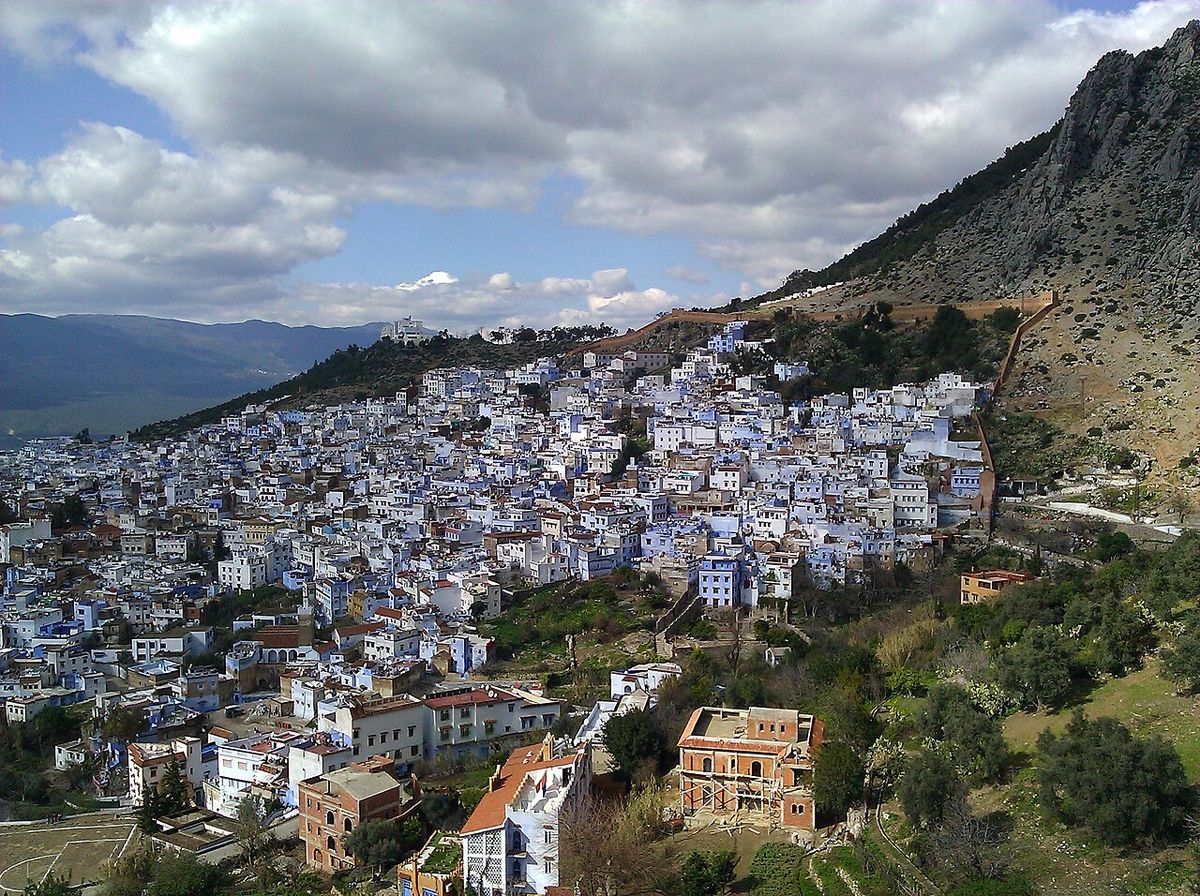
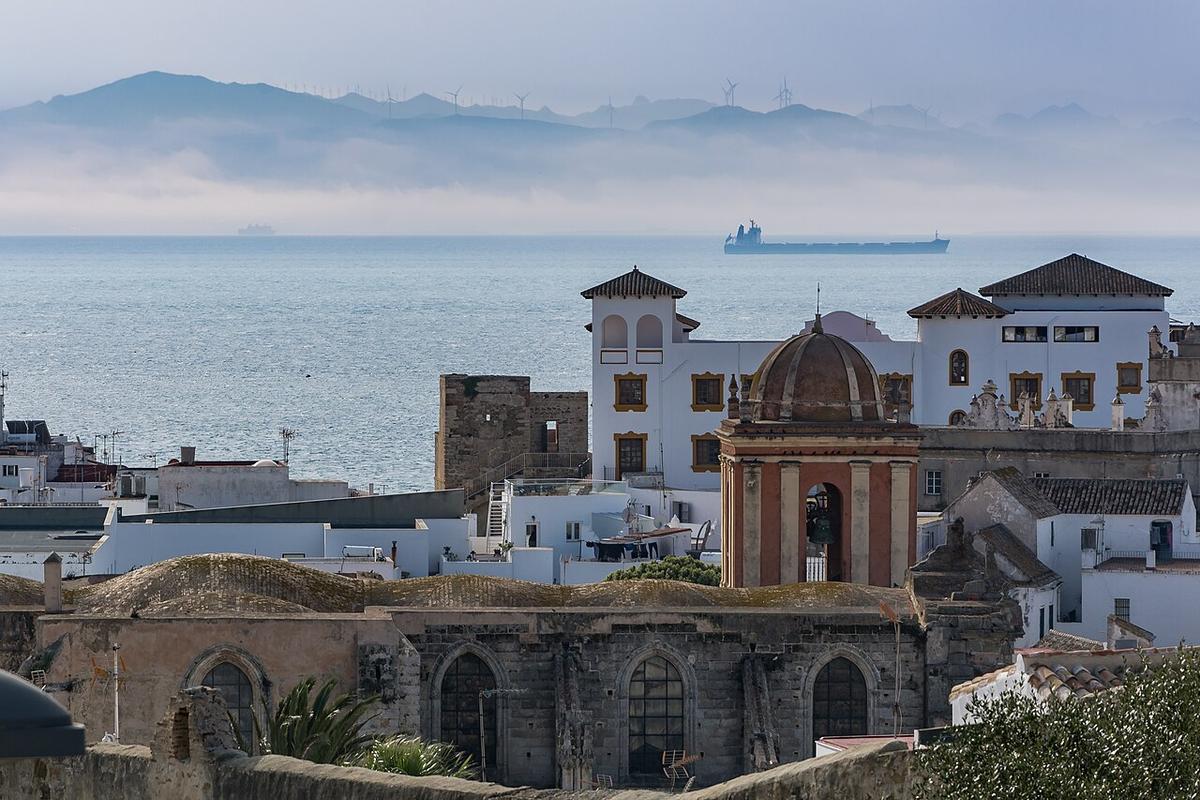
From Tarifa you can see the coast of Morocco, but for your phone it lies outside Europe's roaming map. You can travel around Spain on a European Union plan without paying anything extra, board the ferry and, as soon as your phone connects to a Moroccan network, start paying for roaming, depending on your operator. Ceuta and Melilla, on the other hand, are part of Spain.
This guide starts with what matters if something goes wrong (who to call and where your consulate is) and then covers the practical side: what your phone does in the Strait, in Ceuta and Melilla, in the medinas, in the Atlas and in the desert, and how to stay online for the whole trip.
Consular protection: if something goes wrong
Is Morocco safe to visit right now?
The Telcomia Safety Index for Morocco is 1.5/4 (Increased caution, level 2 of 4) as of Nov 22, 2026. It is a composite of official advisories from Spain, the United Kingdom, the United States and Germany, recalculated daily.
53 diplomatic missions from 42 countries, across 9 cities.
Situation now·
Morocco: Marrakech among the holiday favourites, scams and petty crime
Morocco received 18 million tourist arrivals by the end of November 2025, up 13.5%, according to the Moroccan Tourism Observatory, and Marrakech is among the most searched Christmas and New Year destinations from Spain, according to KAYAK. The US keeps Morocco at Level 2 (exercise increased caution) because of terrorism. The UK warns that terrorists are likely to try to carry out attacks, including in tourist areas, that petty crime and scams are common in medinas and on beaches, that there have been knife attacks on tourists in some cities, that the land and sea borders with Algeria are closed and that earthquakes can occur.
What governments advise
Do not carry large amounts of money, watch your card when paying, take care at ATMs and avoid quiet streets at night. Do not try to cross into Algeria. For an ambulance call 150.
What to do
- 1In medinas and on beaches, keep your bag closed and your phone out of sight.
- 2Take care at ATMs and watch your card when paying.
- 3Avoid quiet areas, especially after dark.
- 4For an ambulance call 150.
- 5With a Telcomia eSIM for this trip, your embassy's details, the risk level and the emergency phrases with audio stay saved on your phone and open even without a connection.
Questions travellers are asking this week
Is it safe to travel to Morocco right now?
Yes, with care: the US keeps Morocco at Level 2 (exercise increased caution) because of terrorism. The UK warns of petty crime and scams in tourist areas.
Is Marrakech safe right now?
Yes, with the usual precautions: pickpocketing, bag-snatching and scams are common in the medinas, and there have been occasional knife attacks on tourists in major cities, according to the UK.
Can I cross from Morocco to Algeria?
No. The land and sea borders between Morocco and Algeria are closed and crossing without authorisation is illegal, according to the UK.
How the Telcomia app helps
- Your embassy and its emergency numbers, one tap away.
- An alert if the risk level rises during your trip.
- Everything saved on your phone to read offline.
- Emergency phrases in the local language, with audio.
- Mobile data from the moment you land, so alerts reach you.
Sources: observatoiredutourisme.ma (Dec 22, 2025) · europapress.es (Oct 27, 2026) · United Kingdom — Foreign Office (FCDO) (Aug 19, 2026) · United States — Department of State (Sep 3, 2026)
A dated summary of official and press sources. It does not replace instructions from the local authorities or your embassy.
- Phone numbers (from a mobile): police, 190; ambulance and fire brigade, 150; Royal Gendarmerie, which covers roads and rural areas, 177; and 112. 190, 150 and 177 are the numbers published by Spain and the United Kingdom.
- Your embassy: almost all are in Rabat, and many countries also have consulates in Casablanca, Tangier, Agadir or Marrakech. The Telcomia app shows you yours, with its address and phone number, and emergency phrases in the local language, with audio.
- If your country has no embassy in Morocco and you are an EU citizen, the embassy of any other EU country must help you on the same terms as its own citizens (Article 23 of the Treaty on the Functioning of the EU).
- Lost or stolen passport: report it to the police in the city where it happened. The United Kingdom explains that you will be given a "déclaration de perte" or a "déclaration de vol" and that you cannot leave the country without it; your consulate can issue an emergency travel document. See which consulate serves you, according to your passport, in the Morocco safety guide.
- Official alerts: the Directorate General of Meteorology publishes a weather warning map by province on marocmeteo.ma, from green to red, updated at least three times a day. There is no official alert app: to see the map, your phone needs a connection.
What governments say
Checked on 16 November 2026.
- The United States asks travellers to "exercise increased caution" in Morocco (level 2 of 4) in its current advisory, because of the risk of terrorism.
- The United Kingdom does not advise against travel to Morocco. It considers that terrorists are likely to try to carry out attacks, including in places visited by foreign nationals, and warns of petty theft in the medinas and on beaches, of knife attacks on tourists in major cities and that the land and sea borders with Algeria are closed.
- Spain recommends travelling with caution and considers Morocco, in general terms, a safe country for travellers. It advises its travellers against going to the provinces of Al Haouz and Taroudant, which are still suffering the effects of the September 2023 earthquake.
- Germany strongly advises against travel to Western Sahara and to the border strip with Algeria. It warns of more theft near tourist attractions and in historic centres, and asks you to do mountain and desert routes only in a group and with registered guides.
The essentials
The European Commission puts it this way: "Roam like at home" applies in EU countries, in the European Economic Area countries (Iceland, Liechtenstein and Norway) and in Moldova and Ukraine, and not in other countries, although many operators extend their plans to some of them. Morocco is not on that list, so it depends on your operator. Ceuta and Melilla are part of Spain: there your EU plan works as it does at home, as long as your phone is on a Spanish network.
In Morocco it pays to have data from the moment you arrive. The map back to your riad, the location you show the taxi driver, the weather warning before you head up into the Atlas and the timetable of your ferry home are all on your phone, and in the Strait, in Ceuta and in Melilla your phone can connect to a network on the other side without you noticing.
Does my plan work here?
- On an EU plan: Morocco is outside "Roam like at home", so each operator decides. Look for Morocco by name in your plan's list of countries: "international" is not enough.
- On a UK, US or Canadian plan: there is no regulated roaming either. Check the price per day or per megabyte before you leave, not after your operator's first text message.
- If you install a data eSIM, turn off data roaming on your usual line: that way your phone does not use data from your plan without you noticing, and you keep receiving calls and text messages on your number (depending on your plan, receiving them outside the EU may cost money).
Where you are and what your phone does
| Where | What can happen | What to do |
|---|---|---|
| Ferry in the Strait | It switches between Spanish and Moroccan networks and, away from the coast, it can connect to the ship's network, which may run via satellite, falls outside EU rules and can be expensive | Turn off data roaming on your usual line for the crossing, or switch to airplane mode |
| Arriving in Tangier (Tanger Med or Tanger Ville) | As soon as your phone moves to a Moroccan network, your EU plan no longer works as it does at home | Have your Morocco eSIM installed before you board and turn it on when you arrive |
| Ceuta and Melilla | They are part of Spain, but near the border your phone can latch on to a Moroccan network, which is charged as roaming outside the EU | Select a Spanish network manually |
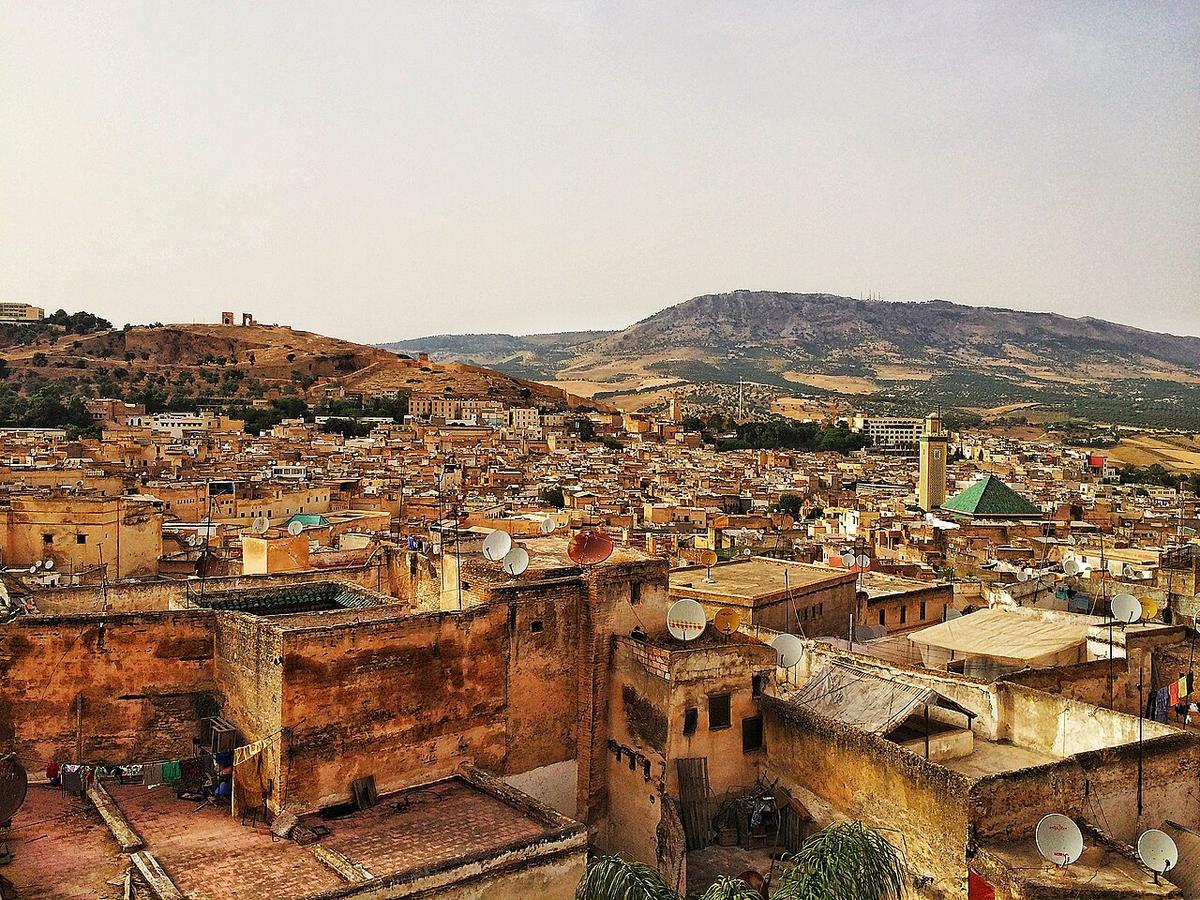
| Medinas of Marrakech and Fes | Among narrow, covered alleys, your map can lose your position | Offline maps and your riad's location saved |
| High Atlas (Imlil, Toubkal) | Patchy signal away from the villages; snow and flooding between November and March | Maps downloaded, the warning map checked and a professional guide |
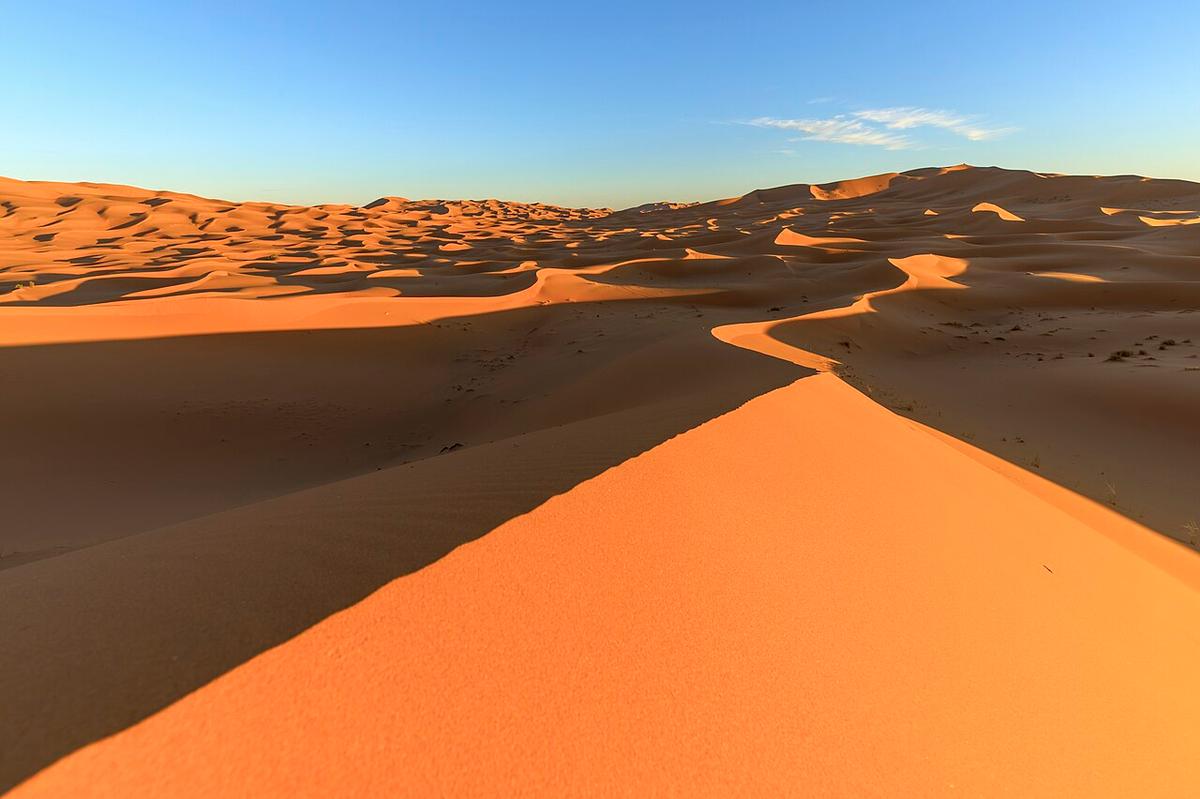
| Desert (Merzouga, Zagora) | There may be signal in the villages and none among the dunes | A charged power bank and 177 saved in your contacts |
| Route through Spain and Morocco | A Europe plan does not include Morocco | Two plans, or a World plan that includes both countries |
Medinas: maps and fake guides
In the medinas of Marrakech and Fes, the alleys are narrow, often covered, and follow no grid: your map can put you in the next street. Download the offline map beforehand, save your riad's location and phone number and, if you arrive at night, ask for someone to meet you at one of the gates. For what to see in Marrakech, read the Marrakech at Christmas and in winter guide.
The ferry from Spain, Ceuta and Melilla
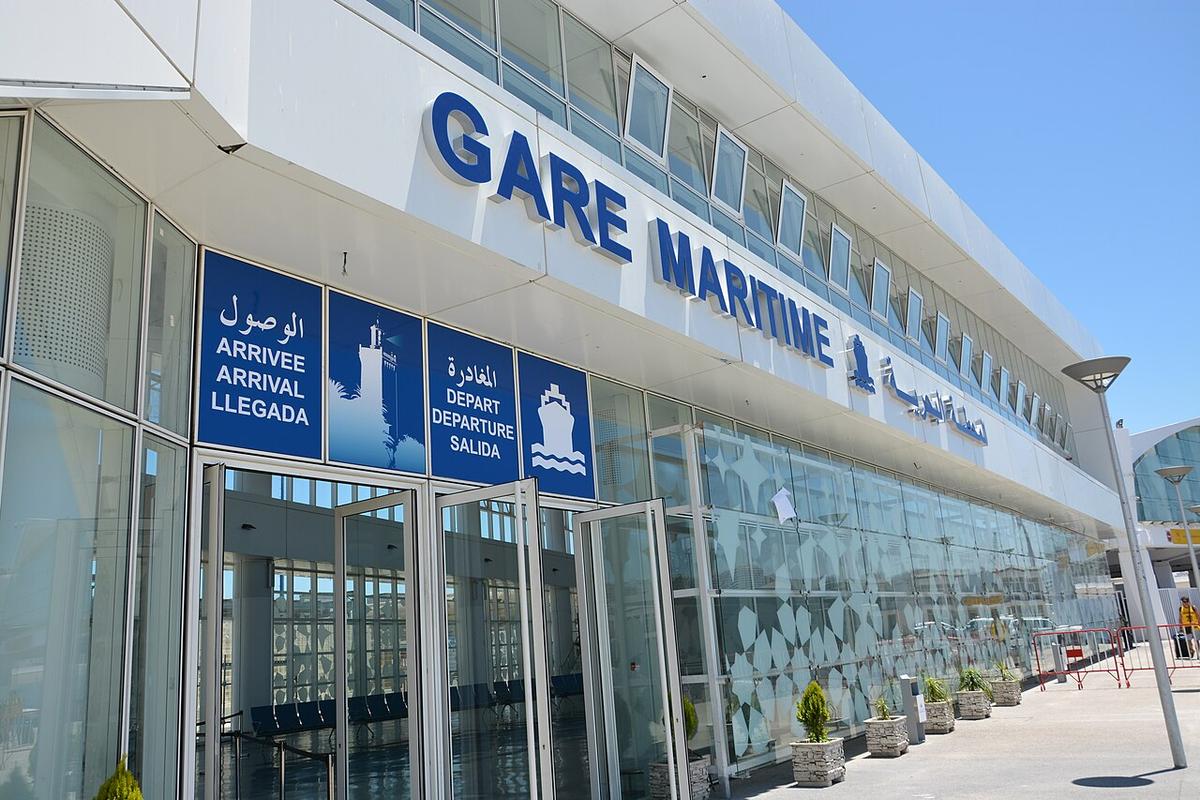
Ferries cross the Strait of Gibraltar from Tarifa to Tanger Ville and from Algeciras to Tanger Med and to Ceuta, and other routes link mainland Spain with Melilla. During the crossing your phone keeps switching between Spanish and Moroccan networks. The European Commission warns that, when the service on board comes via satellite, EU rules no longer apply and there is no price cap: turn off data roaming on your usual line as soon as you leave port.
If you travel around Spain and then cross, use your EU plan or a Europe plan for the Spanish part and a Morocco plan for the other side, or a World plan that includes both countries and keeps you on a single eSIM. A Morocco plan does not cover Spain, nor Ceuta or Melilla.
The Atlas and the Sahara
- High Atlas: Imlil and the route up Toubkal are in the province of Al Haouz, which Spain advises against visiting because of the aftermath of the 2023 earthquake. The United Kingdom recommends going with a professional guide, and Germany warns of heavy snowfall and flooding between November and March: check the warning map beforehand and download your maps while you have signal.
- Desert: for the dunes of Erg Chebbi, near Merzouga, and those around Zagora, Germany advises going with a local tour operator, preferably in a group, and not leaving the main roads towards Algeria. In the camps there may be no signal: take a power bank and tell someone your route.
- If there is an accident on the road or in the countryside: call the Royal Gendarmerie on 177 or 150, and say where you are using your phone's location if you have it. Spain points out that, after an accident, you must not move the car until the Gendarmerie arrives.
Money, drones and customs
- Dirhams: Morocco's Foreign Exchange Office says that taking dirhams into or out of the country is prohibited, except for up to 2,000 dirhams in banknotes per traveller. Change money when you arrive and keep the receipts.
- Card or cash: Germany says cards are accepted in tourist areas, but that smaller hotels and shops and remote areas take cash only.
- Drones: you need prior authorisation. Spain says bringing one in without an import licence is prohibited and that customs can seize it; Germany says customs confiscates it, and the United Kingdom says you need permission from the Directorate General for Civil Aviation to fly it. If you don't have it, leave the drone at home.
How to get connected
- A travel eSIM is installed at home with a QR code and, on most plans, starts counting when it first connects in Morocco; each plan shows when it starts before you pay. In Morocco it uses Maroc Telecom, Orange or inwi, depending on the plan, with 4G and 5G where available. It gives you data, not a Moroccan number: your usual number stays on your phone for calls, text messages and bank codes, and WhatsApp or FaceTime calls go over data.
- A Moroccan prepaid SIM from Maroc Telecom, Orange or inwi makes sense if you are staying a long time or need a local number. It is sold at the airports and in the operators' shops; to activate a local SIM you will be asked for your passport.
- Wi-Fi in riads, hotels and cafés serves as a backup, but it does not come with you through the medina, on the road or in the desert.
What consular protection comes with the Morocco eSIM?
Consular protection included: the country's risk level based on official travel advice from the US, UK, Germany and Spain; nearby embassies and consulates on a map; 16 emergency phrases with audio in 41 languages.
When should I activate my Morocco eSIM?
Each plan shows before you pay when it starts counting. Plans that start on connection start counting the first time they connect to a network in one of the countries they cover: install the eSIM before you leave, keep the line off until you arrive in Morocco, and you'll have data as soon as you land. Some also work in other countries (each plan lists which): if the line connects earlier, at home or on a layover, it starts counting there. Plans that start when you buy them are best bought on the day you'll start using them.
How do I install and activate the eSIM?
After you pay, you get an email with the QR code within minutes. Scan it while your phone is connected to the internet, from Settings → Mobile Data → Add eSIM. When you arrive, choose the eSIM as your data line and turn on data roaming for it.
Do I keep my own phone number?
Yes. The eSIM adds a data line for Morocco while your usual SIM and number stay active for calls and texts.
Questions about the internet in Morocco
Does my EU plan work in Morocco?
Not as it does at home: EU roaming rules do not reach Morocco. Some operators include it in their plans and others charge for it separately, so check your plan's list of countries before you cross.
Can I use a Europe plan in Morocco?
No: Telcomia's Europe plans do not include Morocco. For Morocco alone, a Morocco plan; if your trip combines several countries, a World plan or an Africa plan that includes it.
What are the emergency numbers?
From a mobile, 190 for the police and 150 for an ambulance or the fire brigade, as well as 112. On the roads and in rural areas, the Royal Gendarmerie on 177.
Do maps work in the medina?
They often lose your position among the covered alleys. Have them downloaded and save the exact spot of your riad before you go exploring.
Is there signal in the desert?
In the villages, such as Merzouga or Zagora, there may be; in the camps among the dunes there may be none. Download what you need before you set off and take plenty of battery.
Can I bring a drone?
Only with prior authorisation from the Moroccan authorities. Without it, customs can keep it when you arrive.
Does my plan work in Ceuta and Melilla?
Yes, on Spanish networks, as in the rest of the EU. Near the border, select a Spanish network manually, because if your phone switches to a Moroccan one it is charged as roaming outside the EU.
Where do I buy a local SIM and what do I need?
At the airports and in Maroc Telecom, Orange or inwi shops. To activate a local SIM you will be asked for your passport.
Next destination
Photos
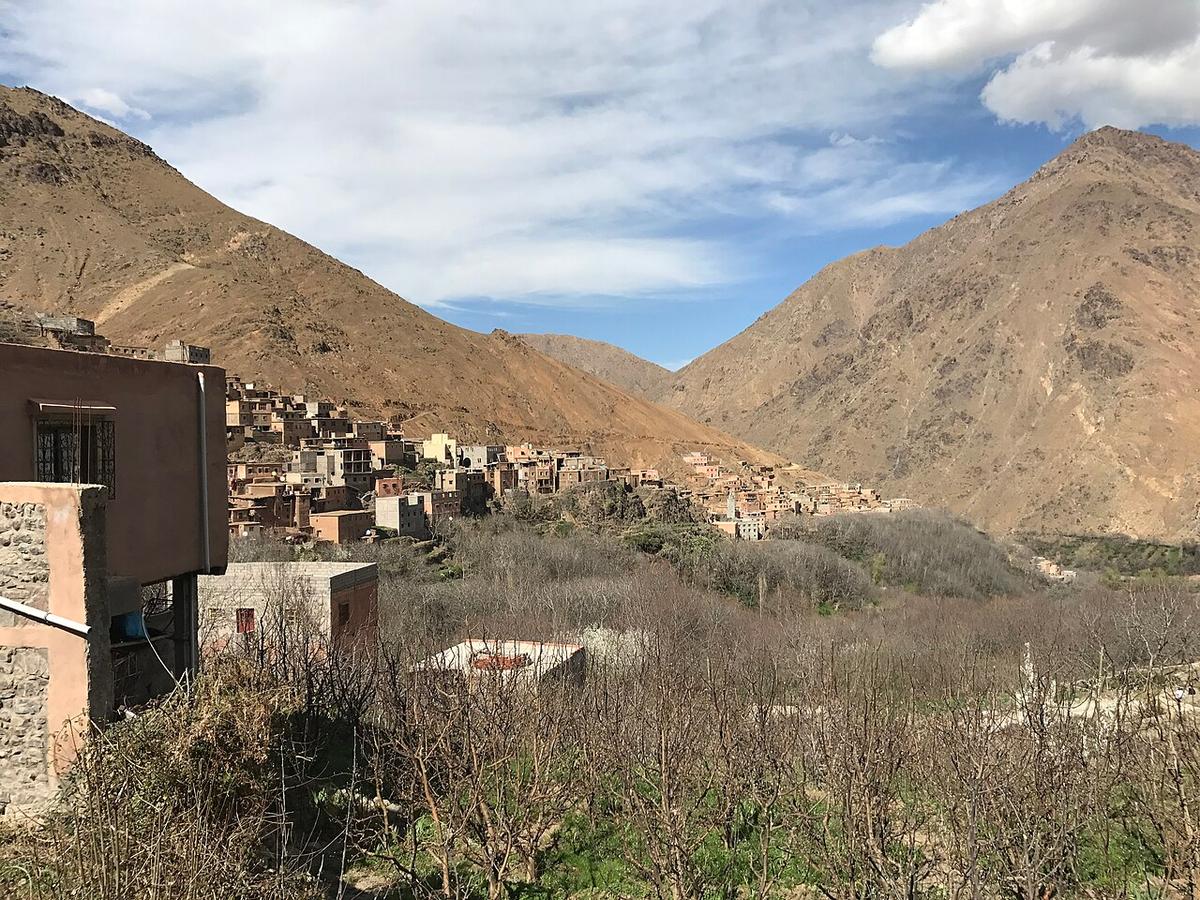
- The village of Imlil and its valley, in the High Atlas, in March 2017. — Erokhin, CC BY-SA 4.0
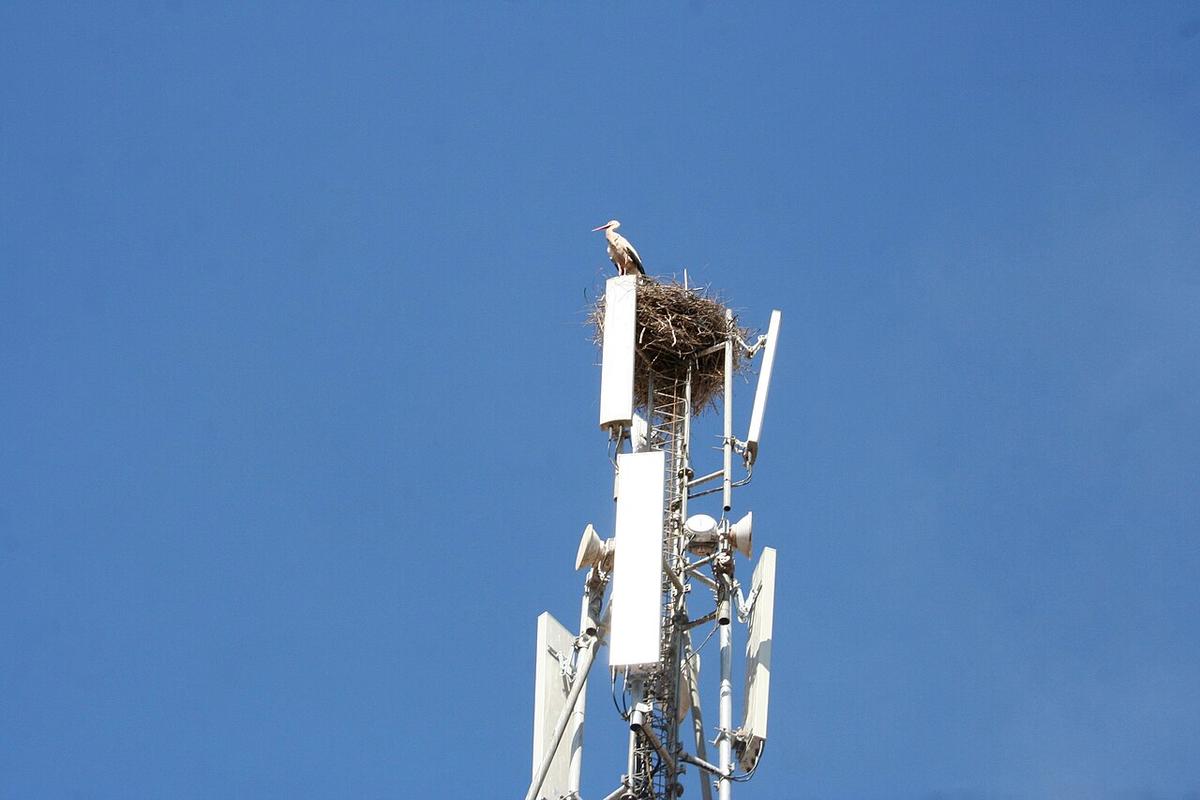
- A mobile phone mast with a stork's nest in Marrakech, in March 2010. — Richard Allaway, CC BY 2.0
- The coast of Morocco seen from Tarifa, across the Strait of Gibraltar, in October 2016. — Isiwal, CC BY-SA 4.0
- The medina of Fes seen from above, in July 2018. — Sim Br, CC BY-SA 2.0
- The entrance to the ferry terminal at the port of Tanger Ville, in July 2018. — Jobt1962, CC BY-SA 4.0
- The dunes of Erg Chebbi, near Merzouga, at sunset, in November 2021. — Thomas Fuhrmann, CC BY-SA 4.0
Ready to stay connected without surprises?
Activate your eSIM in seconds and travel connected in 200+ countries and territories.
See plansCompare Morocco eSIM prices: Telcomia, Airalo, Saily and Holafly →